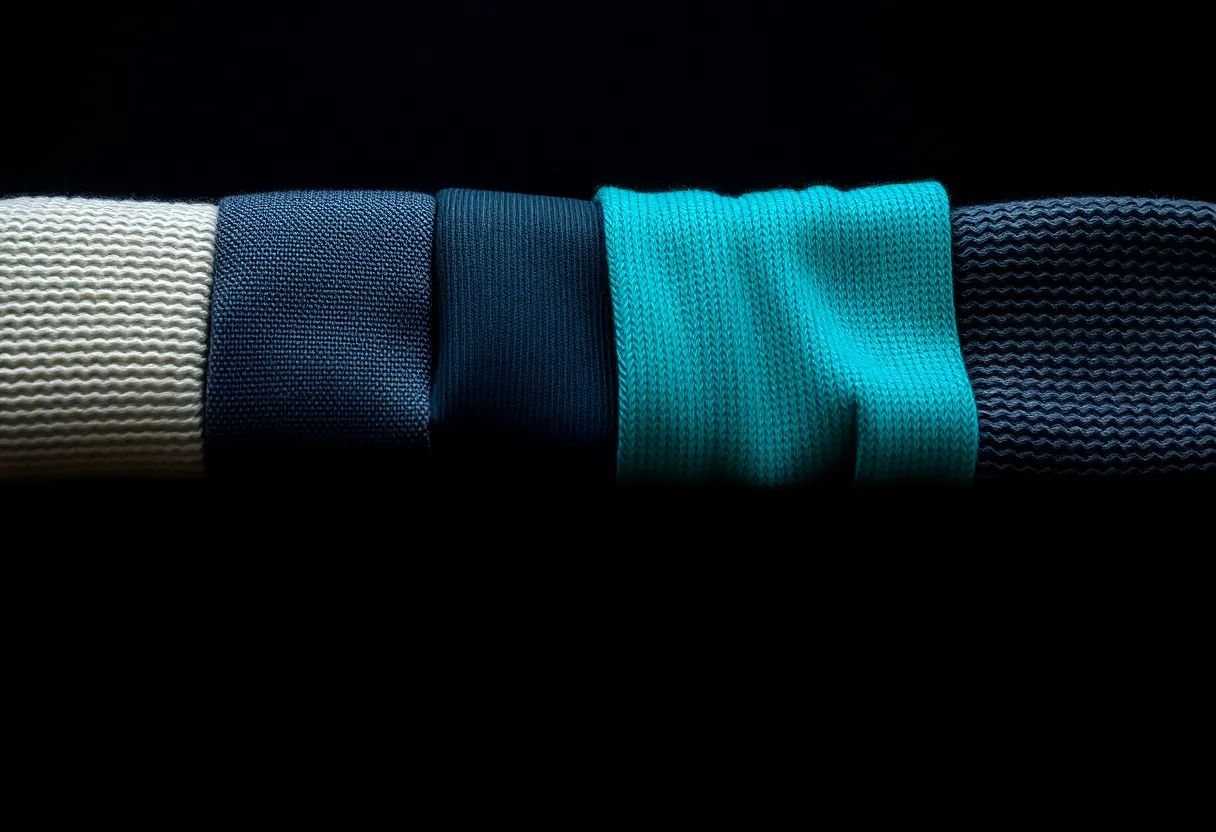
Two dancers buy the same style of shirt for the same social. One is dry and comfortable at hour three. The other is soaked and cold, counting songs until they can leave. The shirts looked identical on the rack. The only difference was the fabric, and it decided the entire night.
Fabric is the most important decision in dancewear and the one almost nobody makes on purpose. Most people pick a shirt for the colour and the cut, then blame their body when it fails under heat and vigorous movement. The body is not the problem. The material is.
Here is the best fabric for dance clothes, broken down by what actually matters on a floor: moving sweat off your skin, stretching with you, breathing under heat, and not holding smell. The same rules apply to any vigorous activity, from a four-hour social to a hard workout.
What is the best fabric for dance clothes?
For most dancers, the answer is a technical synthetic blend: a polyester or nylon base for moisture control, with spandex woven in for stretch. That combination wicks sweat away to evaporate and moves in every direction you do, drying fast between songs. Pure natural fibres have their place, which we will come to, but the workhorse of modern performance apparel is the engineered blend, and for good reason.
As the Spandex by Yard dancewear fabric guide puts it, technical blends like fine polyester and nylon microfibre excel at sweat control, whereas cotton tends to absorb sweat and stay wet. That single sentence is the whole argument, and it runs against the advice most beginners are given.
Why cotton is the wrong choice, even though it feels right
Cotton feels soft and natural, which is why so many guides still recommend it. The problem is physics. Cotton is hydrophilic: it absorbs moisture and holds it, so instead of moving sweat away it stores it in the fibre, gaining weight, clinging to your skin, and turning cold the moment you pause. By the back half of a social it is working against you. We made the full case for why cotton is a four-hour failure in its own piece. For a fabric ranking, it is enough to say cotton is comfortable for the first thirty minutes and a liability for the rest.
Polyester and nylon: the wicking workhorses
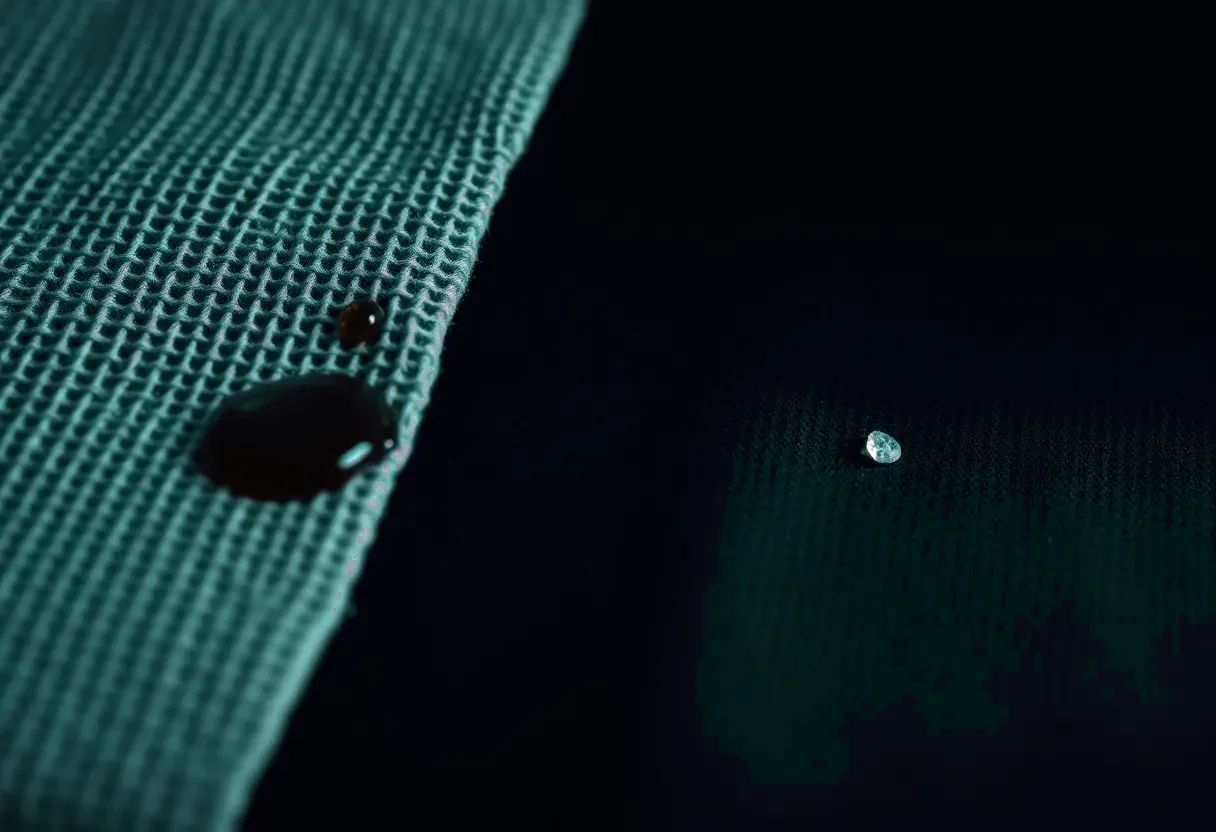
Polyester and nylon are hydrophobic, the opposite of cotton. They do not absorb water into the fibre, so they pull sweat to the surface where it evaporates and the fabric dries fast. The Or Basics guide to the best fabric for sweating is direct about it: moisture-wicking fabrics like polyester and nylon work best when staying dry is the priority. This is why social dancers have quietly worn football and sports jerseys for years, and why every serious performance shirt starts from a synthetic base.
The one knock on synthetics is odor: bacteria love a warm synthetic surface, so a cheap polyester tee can smell after one hard session. Good performance fabric solves this with finish treatments and weave, which is part of what separates a real dance shirt from a bargain gym tee.
Spandex: the stretch that lets you move
Wicking keeps you dry, but stretch keeps you moving. Spandex, also called Lycra or elastane, is the fibre that gives a fabric four-way stretch. As Shba Movement notes, it can stretch up to six times its length and snap back, which is why a small percentage woven into a blend transforms how a garment moves. For dance, a shirt with no stretch fights every reach and spin. Look for roughly five to fifteen percent spandex in the blend: enough to move, not so much that it loses shape.
Merino wool: the dark horse for sweat and smell
The surprise pick among experienced dancers is merino wool. Unlike cotton, fine merino moves moisture as vapour and resists odor naturally, so it stays fresher over long sessions and repeat wears. It costs more and dries slower than synthetics, so it is a considered choice rather than a default. We put it head to head against cotton and polyester in our cotton vs polyester vs merino comparison if you want the direct shootout.
Fabric comparison: cotton vs polyester vs nylon vs spandex vs merino
Here is how the five fabrics dancers actually wear score, side by side, on the four things that matter on a floor.
| Fibre | Moisture handling | Stretch | Dry time | Best for |
|---|---|---|---|---|
| Cotton | Absorbs sweat and holds it | None on its own | Slowest of the five | Hand-feel only — the worst choice once you move hard |
| Polyester | Pulls sweat to the surface to evaporate | None on its own | Fast | Anchoring most performance blends |
| Nylon | Wicks as well as polyester, smoother and cooler hand-feel | None on its own | Fast | The other half of almost every dance-shirt blend |
| Spandex | Does not wick on its own | Stretches up to six times its length and snaps back | Not applicable — never worn alone | The 5–15% that lets a blend move |
| Merino wool | Moves moisture as vapour rather than absorbing it; resists odour better than any fabric here | None on its own | Slower than synthetics | Multi-hour sessions |
- Cotton. Absorbs sweat and holds it. No stretch on its own. Dries slowest of the five. The softest hand-feel, and the worst choice once you start moving hard.
- Polyester. Pulls sweat to the surface to evaporate. No stretch on its own. Holds odor unless treated. Dries fast, which is why it anchors most performance blends.
- Nylon. Wicks as well as polyester, with a smoother, cooler hand-feel. No stretch on its own. Dries fast. The other half of almost every dance-shirt blend.
- Spandex. Does not wick or resist odor on its own. Stretches up to six times its length and snaps back. Never worn alone, always the five to fifteen percent that lets a blend move.
- Merino wool. Moves moisture as vapour rather than absorbing it. No stretch on its own. Resists odor better than any fabric here. Dries slower than synthetics, worth it for multi-hour sessions.
No single fibre wins on everything. Every real performance shirt is a blend for exactly that reason.
How to read a fabric label for dance
You can judge most of this from the label before you ever try it on. A good dance fabric reads something like seventy five to ninety percent polyester or nylon, with the rest spandex, and a fabric weight around 200 to 240 GSM for a shirt that holds its shape without dragging. Anything that says 100 percent cotton is a no for serious dancing. We turned this into a full buyer's checklist in what makes the best dance shirt.
Our take, as a brand that obsesses over this: the best fabric for dance is not one fibre, it is the right blend engineered for the job. The Corda runs a 75/25 nylon-spandex build at 220 GSM, sourced from mills that also supply major international sport brands, with four-way stretch and flatlock seams throughout so nothing chafes where a partner's hand lands. No hardware sits anywhere on the shirt. No zippers. No buttons. No surprises mid-spin. Wash it cold and skip the fabric softener, since it coats the exact wicking layer the fabric is built around. The fabric is the product.
This fabric breakdown is one piece of a bigger kit. Our complete guide to what to wear for partner dancing covers everything this piece does not, from fit down to what to pack for a weekend away. If sweat management specifically is what you are solving for, our sweat-wicking shirt guide breaks down picks by scenario, and our fabric care guide picks up the story once you actually own the shirt.
Common questions
What is the best fabric for dance clothes?
A technical synthetic blend: a polyester or nylon base for moisture-wicking, with spandex for four-way stretch. It pulls sweat off your skin to evaporate and moves with you, drying fast between dances. Merino wool is a strong natural alternative for odor control.
Is cotton good for dancing?
No. Cotton absorbs sweat and holds onto it, so it gets heavier and colder against your skin the longer you dance. It feels fine for the first half hour and works against you for the rest of a long session.
What fabric keeps you driest when sweating?
Polyester and nylon keep you driest. They are hydrophobic, so they move sweat to the surface to evaporate rather than soaking it up. Pair them with a little spandex for stretch.
How much spandex should dance clothes have?
Around five to fifteen percent. That is enough for full four-way stretch through reaches and spins, without the garment losing its shape over time.
Is merino wool good for dancing?
Yes, for those who run multi-hour sessions and care about smell. Merino moves moisture as vapour and resists odor naturally, staying fresher over long wears. It costs more and dries slower than synthetics, so it is a considered choice.
What fabric does the Corda use?
A 75/25 nylon-spandex blend at 220 GSM, sourced from mills that also supply major international sport brands. It carries four-way stretch and flatlock seams, with no hardware anywhere on the shirt.
Written by a Qanvero westie. We have bought the good-looking cotton shirt and paid for it at hour three, and we have spent more hours than is reasonable arguing about blends and GSM. The brand is by dancers, for dancers.