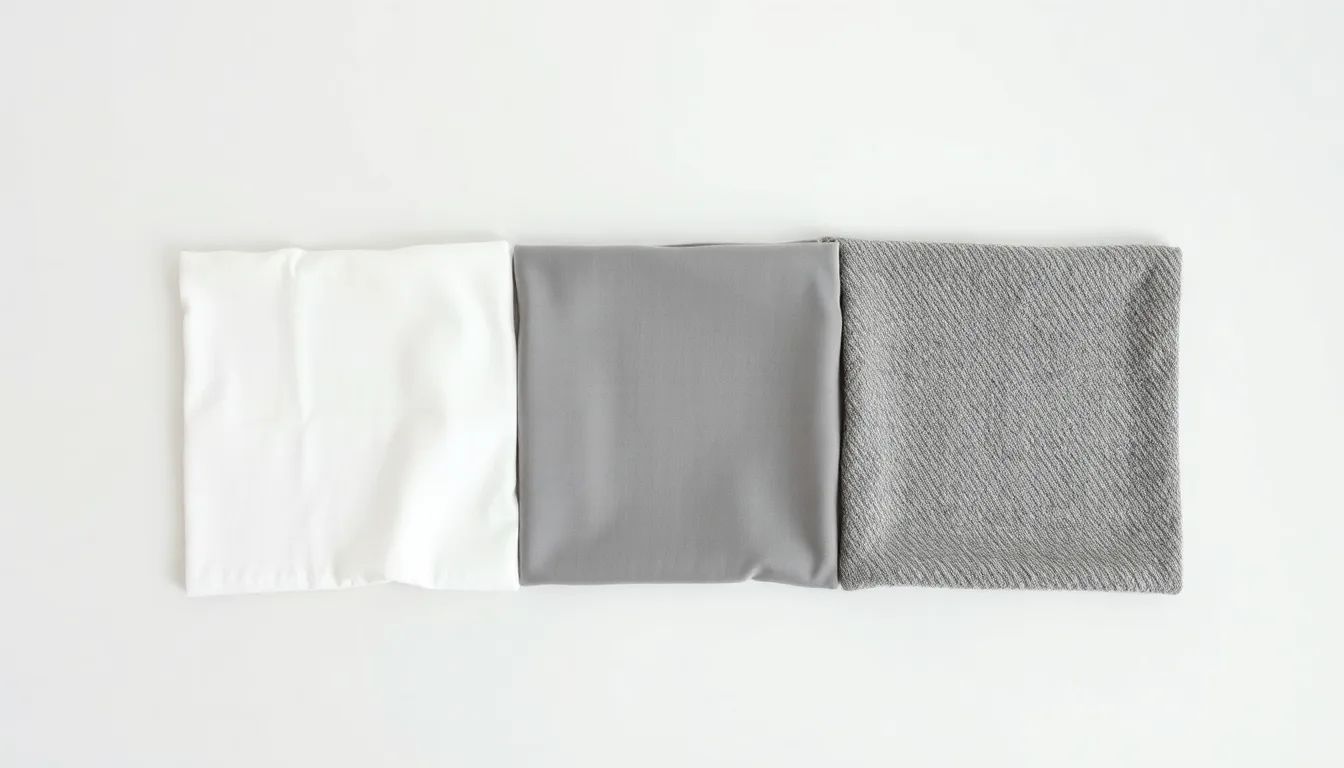
Ask a room of experienced dancers what fabric they wear and you will start an argument. One swears by polyester sports jerseys. Another has converted entirely to merino wool. A third still insists cotton breathes best. They cannot all be right, and on a dance floor the difference is the gap between dry and drenched.
So here is the head to head. Cotton, polyester, and merino, the three fabrics dancers actually debate, scored on the four things that decide a long session: keeping you dry, drying fast, controlling odor, and moving with you. No brand loyalty, just how each fibre behaves under heat and motion.
Cotton vs polyester vs merino: the short answer
Polyester wins on staying dry and drying fast. Merino wins on odor and comfort over long, repeat wears. Cotton loses on everything that matters once you sweat. For most dancers most of the time, a polyester or nylon blend with a little stretch is the right default, with merino as the considered upgrade for those who run marathon sessions. Now the detail behind that verdict.
Cotton: comfortable, then soaked
Cotton is hydrophilic, which is the polite way of saying it drinks sweat and keeps it. It absorbs moisture into the fibre, gains weight, clings, and turns cold the moment you stop. It feels lovely in the shop and on the first song, then becomes a wet weight you carry for the rest of the night. Its one genuine virtue, softness, is not worth the trade once you are working hard. We laid out the full timeline of how cotton fails across a four-hour night separately.
Polyester and nylon: driest, fastest
Synthetics are hydrophobic, so instead of soaking up sweat they push it to the surface to evaporate. The Or Basics fabric guide is clear that polyester and nylon work best when staying dry is the priority. This is why dancers have quietly raided the football aisle for years, and why these fibres anchor almost every dedicated performance shirt. The catch is smell: synthetics hold odor more than natural fibres, so a cheap poly tee can turn after one hard session unless the fabric is treated and well woven. Good performance synthetics solve this. Bargain ones do not.
Merino wool: the odor and comfort play
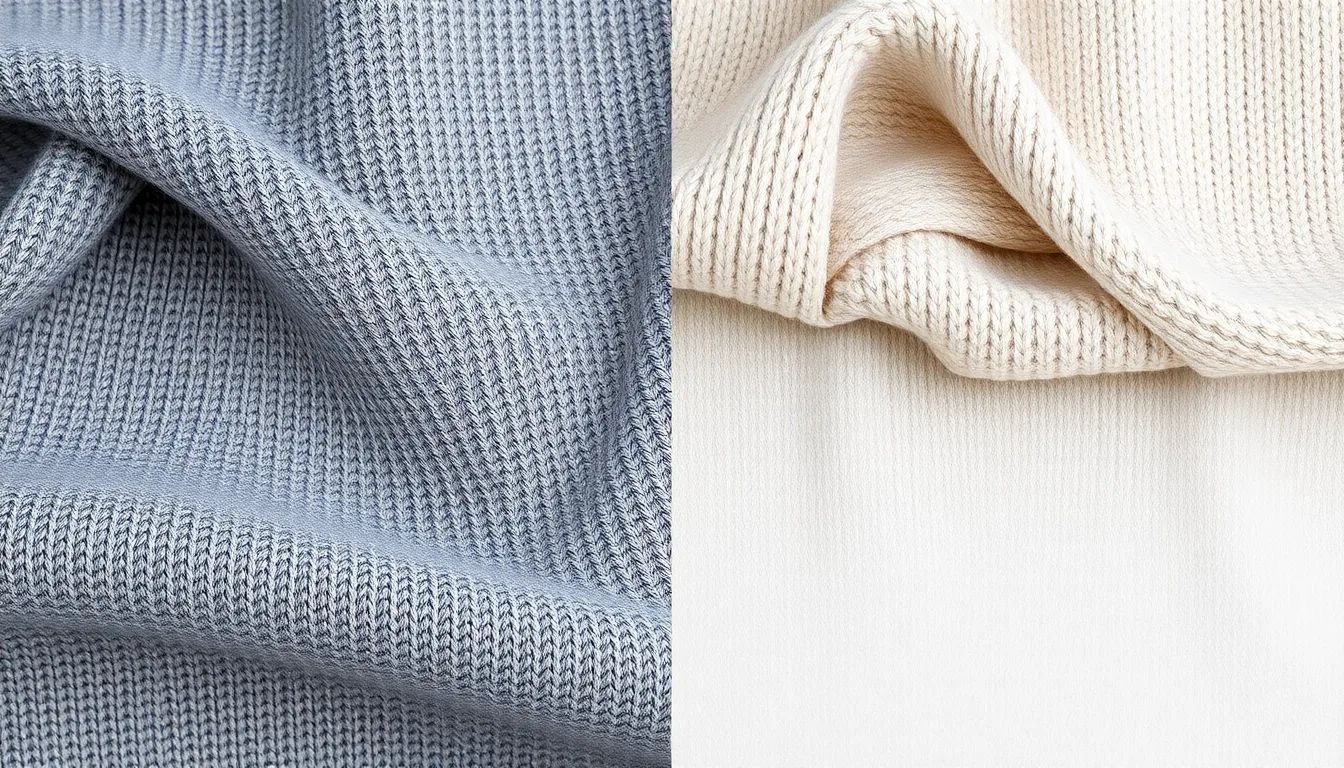
Merino is the quiet favourite of dancers who have tried everything. Fine merino wool moves moisture as vapour, regulates temperature, and resists odor naturally, so it stays fresh over long sessions and even across multiple wears between washes. In one dancer fabric discussion, merino was called better than literally everything else for heat, sweat, and smell management. The trade-offs are real: it costs more, dries slower than synthetics, and a fine knit can be delicate. It is the choice for the dancer who values freshness over raw drying speed.
The head-to-head, scored
On staying dry: polyester first, merino second, cotton last. On drying speed: polyester first, cotton second, merino last. On odor control: merino first, cotton second, polyester last. On stretch and recovery, none of these three stretches on its own, which is why all three are blended with spandex for dancewear. Add it up and polyester takes the overall win for most dancers, merino takes the win for long-session comfort and smell, and cotton does not place.
What about blends?
In practice you rarely wear any of these pure. The best dance fabrics are blends: a polyester or nylon base for wicking, spandex for stretch, and sometimes a touch of merino or a treated finish for odor. The blend is where the real engineering happens, which is the whole point of our wider guide to the best fabric for dance clothes. A single fibre is a starting material, not a finished shirt.
Which should you actually buy?
For the everyday dancer who wants dry, fast-drying, and affordable: a polyester or nylon-spandex blend. For the long-session purist who hates smell more than damp: merino, or a merino blend. For anyone: not cotton. Our own answer was a 75/25 nylon-spandex Corda, because for the heat and range of partner dance, the synthetic blend cleared every test. The right fabric depends on how you dance, but the wrong one is always the same.
Common questions
Is polyester or cotton better for dancing?
Polyester, clearly. It wicks sweat to the surface and dries fast, while cotton absorbs sweat and stays wet, heavy, and cold. The only edge cotton has is softness, which does not survive contact with a real workout.
Is merino wool better than polyester for dance?
It depends on what you value. Merino controls odor and regulates temperature better, so it stays fresher over long and repeat wears. Polyester dries faster and costs less. Many dancers run polyester for intensity and merino for multi-hour comfort.
What fabric keeps you driest while dancing?
Polyester and nylon keep you driest. As hydrophobic fibres, they move sweat to the surface to evaporate rather than holding it. Blended with spandex, they also give the stretch dance demands.
Why do my synthetic shirts smell after dancing?
Synthetics hold odor-causing bacteria more than natural fibres, so cheap, untreated polyester can smell after one hard session. Better performance fabrics use anti-odor finishes and tighter weaves. Merino resists smell naturally.
What is the best all-round fabric for dance clothes?
A polyester or nylon base blended with spandex. It wins on dryness, drying speed, and movement, which covers what most dancers need most of the time. Merino is the upgrade for odor and long-session comfort.
Written by a Qanvero westie. We have danced in all three and washed all three more times than we can count, and the verdict held every time. The brand is by dancers, for dancers.