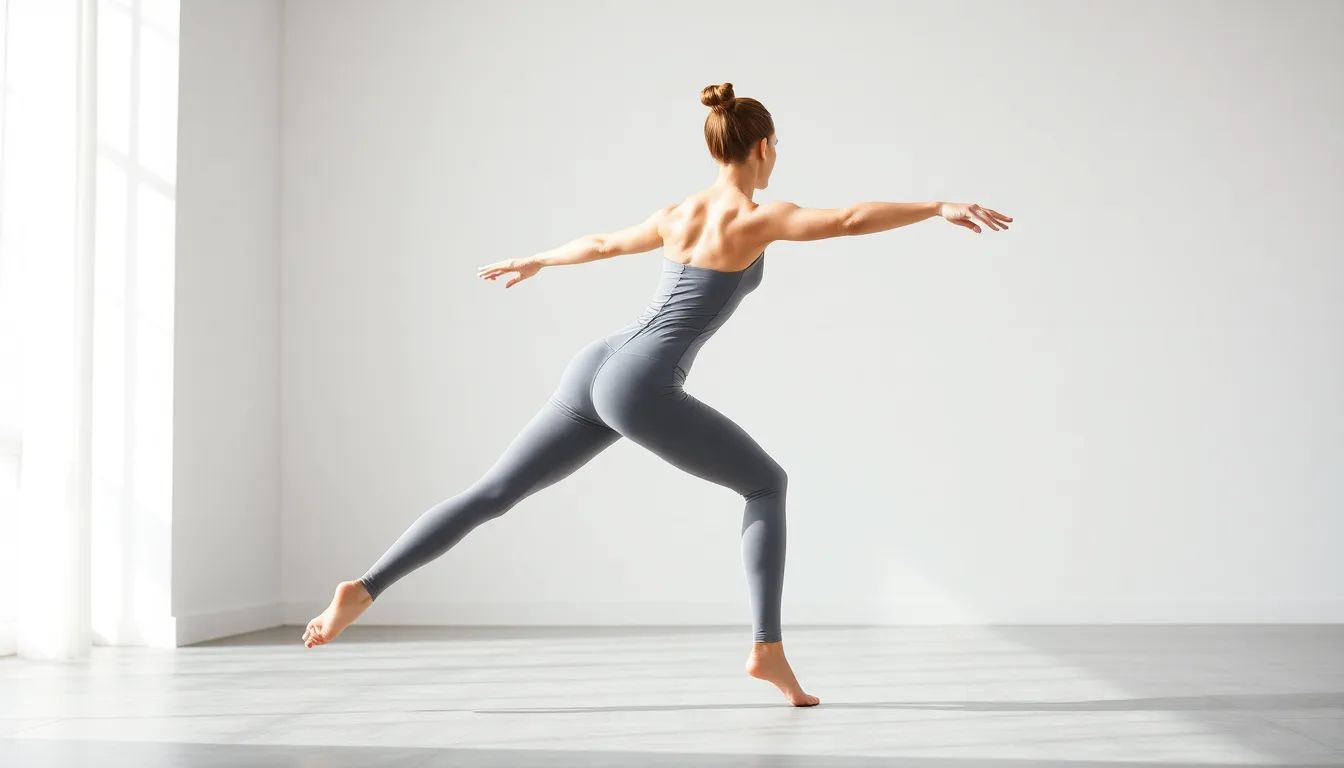
There is a moment in most dances where the music opens up and you want to give it everything. If your shirt is soaked and clinging, your waistband is cutting in, and you are quietly aware of how you look, you hold back. You take the smaller option. The clothing made the decision for you, and you barely noticed.
It is easy to treat dancewear as vanity, a question of looking good. That misses the point entirely. The right apparel is a performance tool, the same way the right shoes or the right racket is in any sport. It changes what your body is free to do, and the wrong apparel quietly taxes you all night.
Here is the real case for why your dance clothes matter, across the four ways they touch your dancing: movement, sweat, focus, and confidence. None of them is about fashion.
Do your dance clothes actually matter?
Yes, more than almost any other piece of gear. Shoes get the attention, but you wear a shirt and trousers over your whole range of movement for the entire session, in direct contact with your skin and, in partner dance, with someone else's hands. A garment touching that much of you, for that long, under that much heat and motion, is not a neutral object. It either helps or it gets in the way.
Movement: the extension you cannot make
Dance is a full range-of-motion activity. You reach overhead, extend along the floor, twist, and recover, often in a single phrase. Clothing with no stretch sets a ceiling on all of it. As the Shba Movement guide describes, stretch fibres exist precisely so a garment can move with the body instead of against it. A rigid shirt does not just feel restrictive, it shortens your line, because some part of you is always negotiating with the fabric. You dance smaller without ever choosing to.
Sweat: the partner's-eye view
Sweat is where dancewear stops being only about you. In close hold, a partner feels and sees your shirt, and a soaked back is the thing dancers quietly avoid asking again. Fabric that wicks and dries keeps you comfortable and keeps you a partner people want to dance with. It is courtesy as much as comfort. We traced exactly what body heat does to a dance shirt over a long social, and the short version is that the wrong fabric turns a non-issue into a reputation.

Focus: the shirt you keep fixing
Attention is finite, and a bad outfit spends it. Every time you tug a hem down, peel a wet shirt off your back, or adjust a waistband mid-song, you have left the dance and gone into your own head. Good apparel disappears. You stop thinking about it, which means all of your attention is free for the music, the connection, and the next move. The best compliment a dance shirt can earn is that you forgot you were wearing it.
Confidence: dressing into the dancer
There is a real effect, well known to athletes, where the right kit changes how you carry yourself. When the fit is clean and you are not worried about sweat or restriction, you stand taller and commit harder. This is not vanity, it is the difference between dancing defensively and dancing freely. We wrote about how to look good under the spotlight, because what the room sees and what you feel are the same line.
It is not vanity, it is performance
Pull these together and the conclusion is simple: dance clothes are performance equipment, not decoration. The same logic applies to any vigorous activity, but dance raises the stakes because of heat, range, and human contact all at once. If you want the practical follow-up, start with the best fabric for dance clothes and work from there.
This is the entire reason Qanvero exists. We were tired of clothing that made us dance smaller, so we built apparel engineered to disappear: stretch, wicking, and clean lines that get out of the way and let the dancing be the thing people notice.
Common questions
Do dance clothes really matter, or is it just marketing?
They genuinely matter. Apparel sits against your skin over your full range of movement for the whole session. It affects how freely you move, how dry you stay, how much you have to think about your outfit, and how you carry yourself. That is performance, not marketing.
Does what you wear affect how you dance?
Yes. Restrictive fabric shortens your range and your line. Wet, clinging fabric breaks your focus and your comfort in close hold. The right apparel removes both problems so your attention goes to the dance instead of the clothing.
Is it worth buying proper performance apparel for dance?
If you dance regularly, yes. A shirt built from wicking, four-way-stretch fabric with clean seams pays you back every session in comfort, freedom of movement, and one less thing to think about on the floor.
Why does sweat matter so much in partner dance?
Because in close hold your partner feels and sees your shirt. A soaked back is the thing dancers quietly avoid. Fabric that wicks and dries keeps you comfortable and keeps you a partner people want to dance with again.
Written by a Qanvero westie. We have held back on the big move because of a clinging shirt, and we decided that was a solvable problem. The brand is by dancers, for dancers.