Two dancers sweat exactly the same amount. One looks dry all night. The other has a dark map spreading across their chest and back by the second song. The difference is not their bodies and it is not their fabric. It is the colour they chose that morning, and almost nobody chooses it on purpose.
On a dance floor, colour is a performance decision, not just a style one. The right shade hides sweat, reads sharp under the lights, and flatters your movement. The wrong one shows every drop and washes out the moment a spotlight hits. It is the cheapest upgrade available to you, because it costs nothing to choose better.
Here are the best colours to wear for dancing, the ones to avoid, and why the lighting in the room changes the answer.
What are the best colours to wear for dancing?
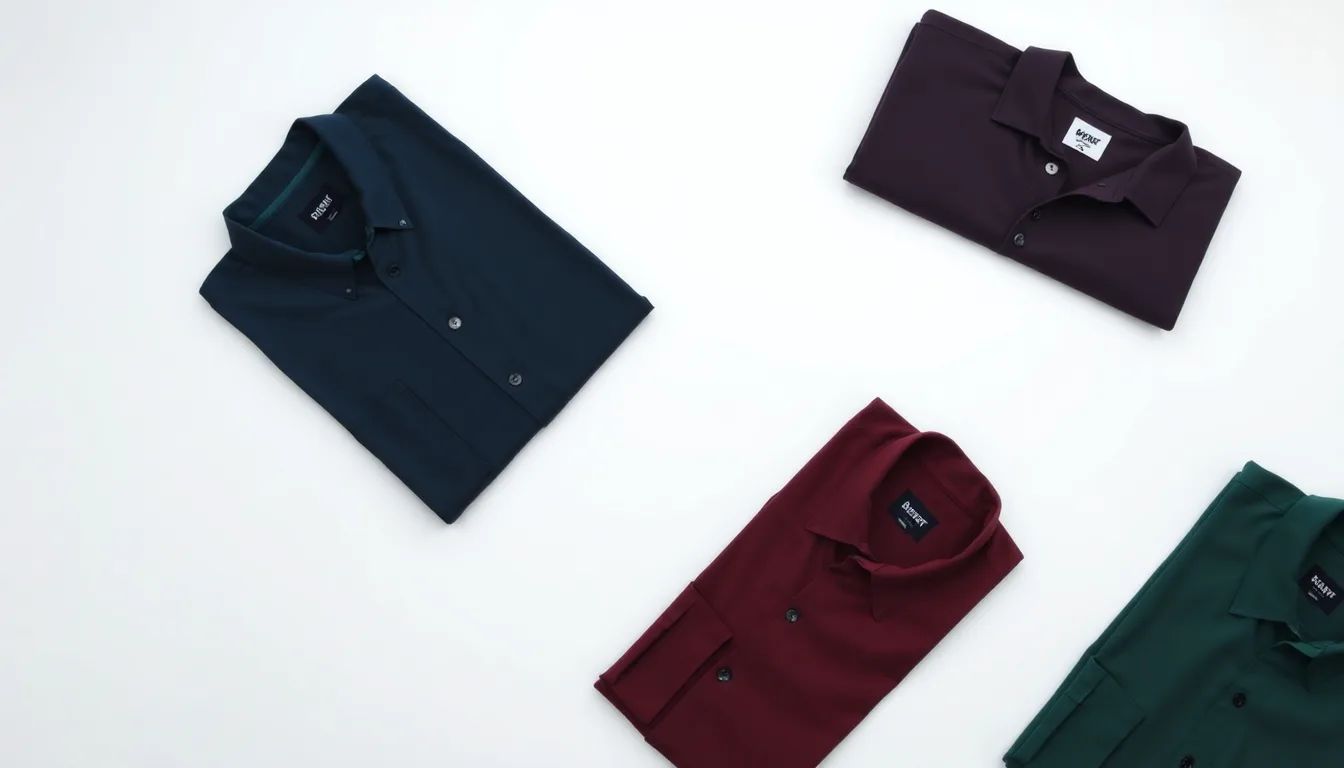
Deep, saturated solids. Charcoal, navy, deep teal, burgundy, forest, and similar rich tones do three jobs at once: they hide sweat, they hold their richness under both low and bright light, and they read clean against a moving body. If you remember one rule, it is to go deeper and more saturated than your instinct, and to keep it solid.
Why grey is the worst colour for dancing
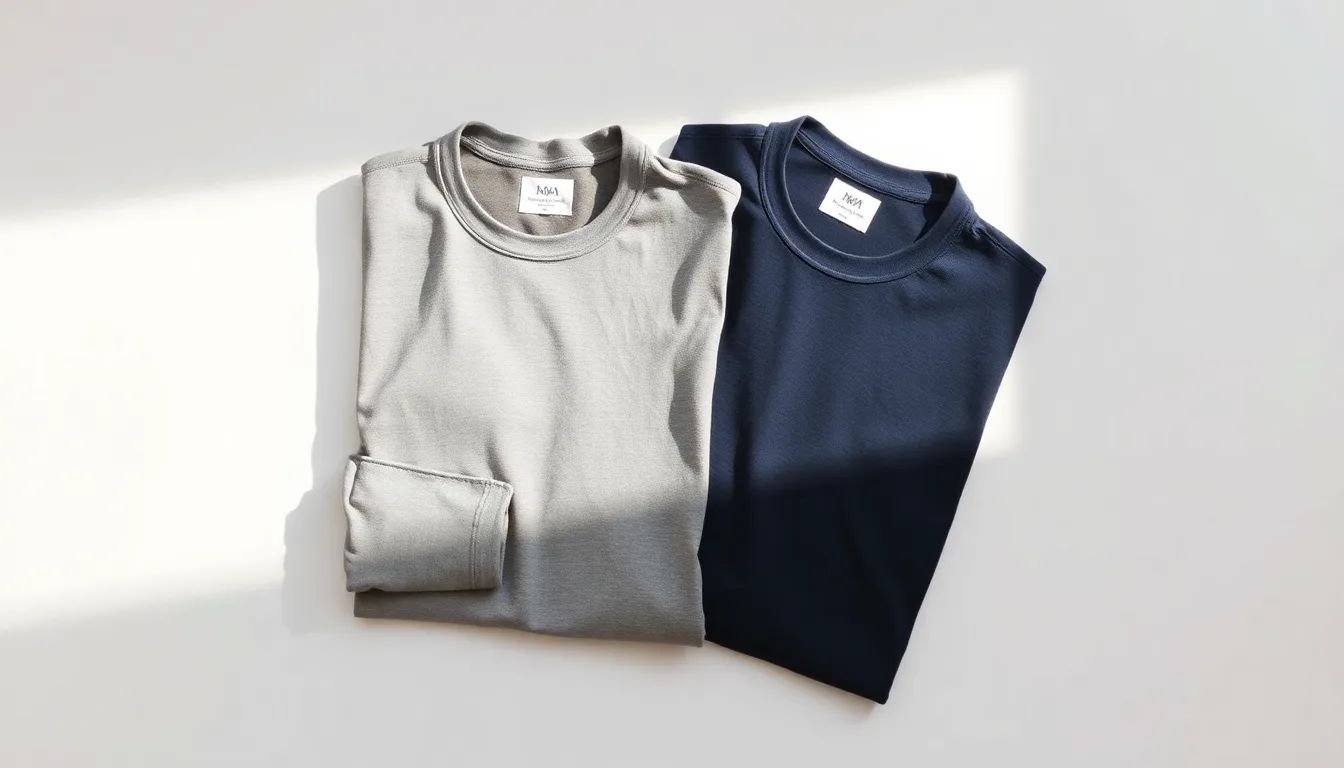
Heather grey is the single worst colour you can wear to dance. It starts light, and sweat turns it dark, so the contrast between dry and damp is at its most visible. A grey shirt shows a sweat patch the instant it appears and keeps showing it all night. Pale blue, light pink, and other soft pastels have the same problem to a lesser degree. The fabric guides that cover staying dry while sweating all point the same way: if sweat is coming, and on a dance floor it is, do not wear a colour that frames it.
Dark and deep: the sweat-hiding champions
Deep colours hide sweat because there is little contrast between the dry fabric and the wet patch. Navy, charcoal, deep teal, and burgundy all stay visually even as you heat up. Pair a deep colour with a wicking fabric and you get the best of both: the fabric moves the sweat off your skin, and the colour hides whatever reaches the surface. Colour and fabric are a team, which is why we treat them together in our guide to the best fabric for dance clothes.
White and pale: high risk, high reward
White is the exception that proves the rule. It can look crisp and striking, and because it is so light, a small amount of sweat is less visible than on grey. But heavy sweat turns white translucent, which is its own problem, and white blows out under a hard spotlight into a featureless bright shape. Wear white as a confident choice in a cooler room or a controlled light, not as a default for a hot floor. Pale colours mostly carry white's risks without its payoff.
Black: safe, but watch the light
Black is the reliable default: it hides sweat as well as anything and goes with everything. Its one weakness is that under a single hard light it can flatten into a silhouette and lose the detail of your movement, and in a very dim room, as the West Coast Swing Online guide notes about low social lighting, an all-black look can disappear entirely. A deep colour often reads better than pure black because it keeps some richness and shape under the lights. Black is never wrong. It is just rarely the most flattering.
The room changes the answer: stage light vs social light
Low, warm social lighting is forgiving and lets deep colours glow, so a dim room is where rich tones shine. Bright stage or competition light is harsh and exposes everything, so under a spotlight you want deep solids and matte fabric, and you avoid shine and pale shades entirely. We covered the bright-light case in full in how to look good under the spotlight. The short rule: the brighter the light, the deeper and more solid you go.
It is no accident that the best dance colours are deep solids, and no accident that the Corda leads with them. Colour, fabric, and fit are one decision, and a deep solid in a matte wicking fabric is the closest thing to a sure bet on any floor.
Common questions
What colours are best to wear for dancing?
Deep, saturated solids: charcoal, navy, deep teal, burgundy, forest. They hide sweat, hold their richness under both low and bright light, and read clean against a moving body.
What colour hides sweat best?
Deep, dark colours hide sweat best because there is little contrast between the dry fabric and the wet patch. Navy, charcoal, deep teal, and burgundy all stay visually even. Black also hides sweat well.
Does grey show sweat the most?
Yes. Heather grey is the worst colour for showing sweat, because it starts light and darkens sharply where it gets wet, making the contrast highly visible. Pale pastels have the same problem to a lesser degree.
Is black or a deep colour better for dancing?
Both hide sweat. Black is the safe default but can flatten under a hard light or disappear in a very dim room. A deep colour like navy or teal often reads better because it keeps some richness and shape under the lights.
Written by a Qanvero westie. We have worn the grey shirt to a hot social exactly once, seen the photos, and never again. The brand is by dancers, for dancers.
Colour is a surface decision that depends entirely on the fabric under it. What to wear for partner dancing takes both together.