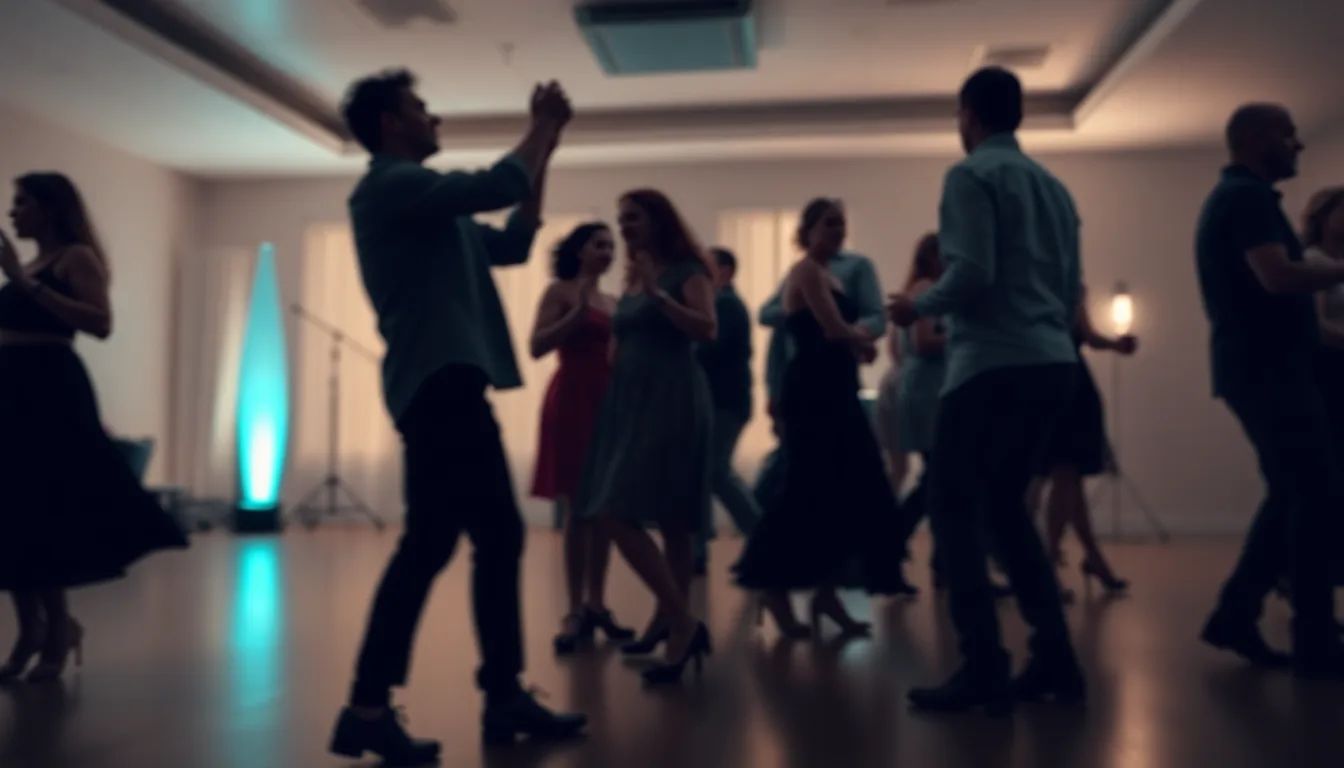
It is hour three of the social. The room is warm, the floor is full, and the dancer who just asked you walks over, takes a frame, and you feel your own shirt clinging wet against your back. You dressed for how you looked walking in the door. You did not dress for now.
This is the gap most outfit advice misses. A dance class is short, lit, and forgiving. A social is long, dim, hot, and danced in close hold with people you have just met. What you wear has to survive four hours, not four minutes, and it has to work for the person whose arm is on your back.
Here is what to wear to a social dance so that the outfit that looked right at the door still works at hour four.
What should I wear to a social dance club?
Aim for smart-casual that moves. The Arthur Murray guide names the real criterion: comfort and stretch, something with enough give for full range of movement. A social is a notch dressier than a class, so leave the gym-bro look at home, but every choice still has to pass the movement test first. If you cannot lift a knee, reach across a slot, or spin without the fabric fighting you, it does not matter how it photographs.
The RF Dance guide puts the line nicely: socials are smart-casual, and heavy activewear can feel out of place. The sweet spot is apparel that reads polished from across the room and performs like sportswear up close. That combination is rarer than it sounds, which is the whole reason this article exists.
Dress for the hours, not the entrance
The single biggest mistake is dressing for the version of you who just arrived: dry, cool, composed. That version lasts about thirty minutes. By the second hour your core temperature is up, the room is warmer from a hundred moving bodies, and the fabric decision you made at home is now doing all the work.
Our take: pick the outfit for hour three, and the first thirty minutes take care of themselves. That means breathable, quick-drying fabric over anything that holds water. Cotton is the classic trap here, comfortable on arrival and a four-hour failure by the back half of the night.
The change shirt is standard kit, not an apology
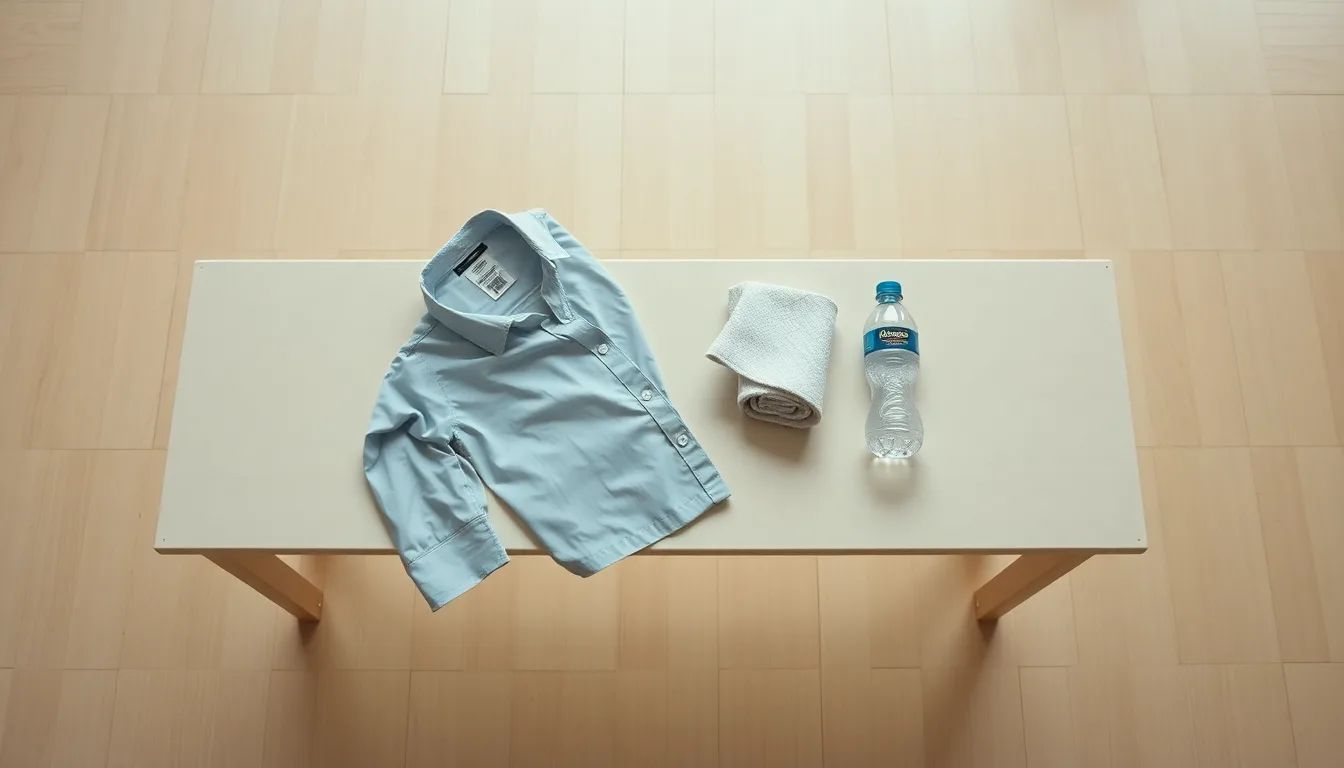
Experienced social dancers carry a spare top and change once or twice across a night. This is not a sign you sweat too much, it is a sign you have done this before. A fresh shirt at hour three resets the whole experience, for you and for everyone you dance with after. If you want the physiology of why one shirt cannot last the night, we wrote about what body heat does to a dance shirt over a full social.
Pack a small bag: one or two spare tops, a small towel, deodorant, and water. In a humid climate, treat the spare top as essential rather than optional.
Dress for close hold (your partner feels your outfit)
In a social, your clothing is not only yours. In close hold a partner's hand sits on your back, their forearm runs along yours, and whatever you are wearing touches them for the length of a song. Three things matter here. No hardware: zippers, studs, and exposed buttons scratch and catch. No drenched fabric: a soaked back is the thing dancers quietly avoid. No heavy fragrance to mask it: cologne does not cover sweat, it adds a second problem on top.
If you are still working out the basics before the social stakes go up, start with what to wear to your first dance class, then come back for the long-night version.
Smart-casual without overheating
Dim rooms are on your side. As the West Coast Swing Online guide notes, social lighting is usually low, so you do not need to overthink the look. Lean on darker colours that hide sweat, fabrics with stretch and airflow, and a fit that lies flat at the shoulder and rib so nothing bunches when hands land. That is the recipe across salsa, bachata, swing, and ballroom socials alike. The style names change, the body and the heat do not.
Some scenes do have their own conventions, especially around competition. For the swing world specifically, we broke down what to wear to West Coast Swing across the social and the comp floor.
This is the exact problem Qanvero set out to solve: apparel that reads premium from across the room and performs through hour six. The Corda is built for the four-hour night, not the four-minute entrance.
Common questions
What should I wear to a social dance club?
Smart-casual that still moves: stretch trousers or dance pants with a fitted, breathable top, in darker colours, with smooth-soled shoes. A touch dressier than class, but movement and airflow come before the look.
What do you wear to social dancing if you sweat a lot?
Breathable, quick-dry fabric in a dark colour, plus one or two spare tops in your bag. Change once or twice across the night. Avoid cotton, which holds water and turns cold and clinging.
Is it OK to change clothes during a social?
Yes, and the experienced dancers do it. A fresh shirt at hour three is normal, courteous, and resets the night for you and everyone you dance with after.
Can I wear jeans to a social dance?
Stretch jeans can work for casual socials in some scenes, but rigid denim restricts movement and traps heat over a long night. Stretch trousers or dance pants are the safer call.
What should men wear to a social dance?
A fitted, breathable performance shirt with no hardware, stretch trousers, and smooth-soled shoes. Darker colours hide sweat. Bring a spare shirt for the back half of the night.
Written by a Qanvero westie. We have dressed for the door and paid for it at hour three, and we have learned to pack the spare shirt every time. The brand is by dancers, for dancers.
A four-hour night is the hardest test most dance clothing ever gets. What to wear for partner dancing sets out the full picture this night is one case of.