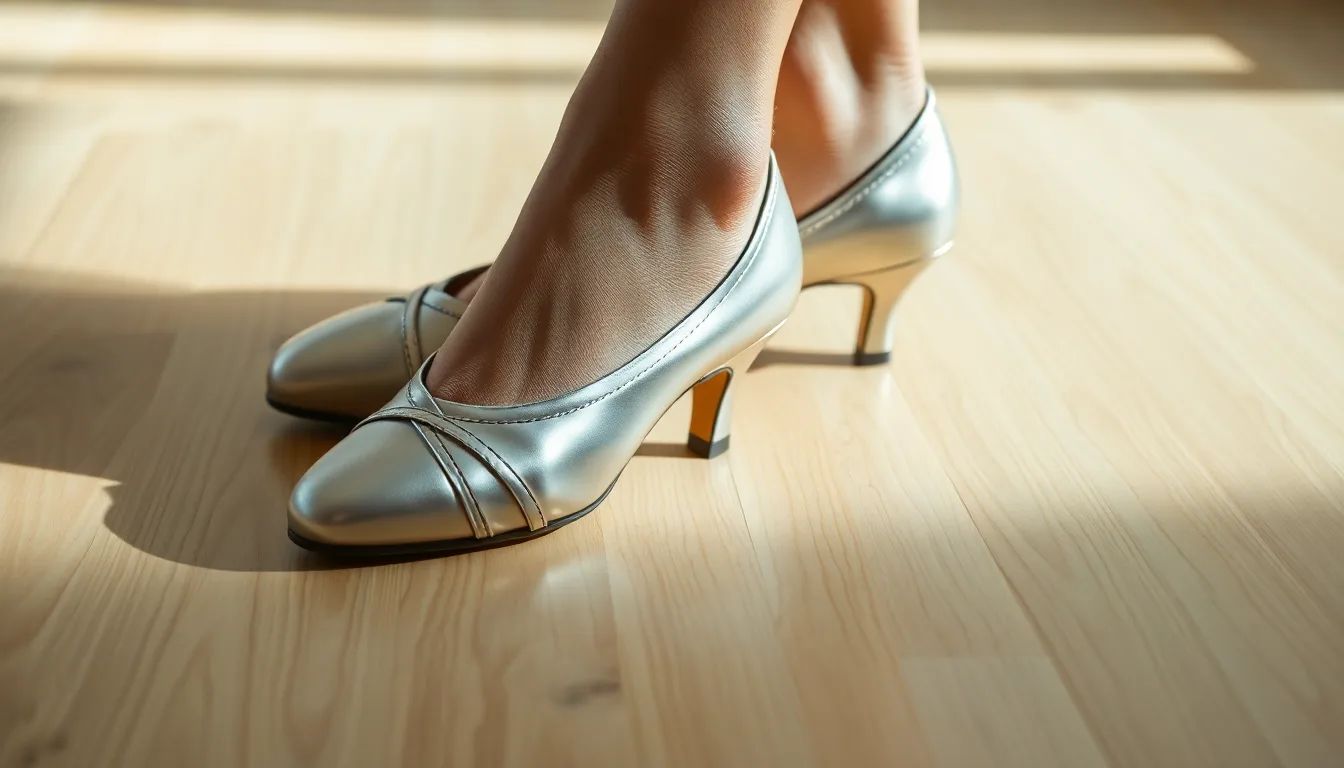
Most beginners spend an hour choosing an outfit and zero seconds choosing shoes. Then they try their first turn in gym sneakers, the rubber grabs the floor while their body keeps rotating, and their knee learns a lesson the hard way. Of everything you wear to dance, the shoe is the piece that can actually hurt you.
The good news is the rules are simple and they hold across salsa, bachata, swing, and ballroom. Get the sole right and most of the problem disappears.
Here is how to choose the best shoes for partner dancing, from the sole up to the heel and down to the floor under them.
What kind of shoes are best for partner dancing?
A shoe you can turn in. The Antonio Frias Dance guide names the criteria cleanly: comfortable, unrestricting, with a smooth sole for turning, and no heavy grip or excessive heel. That single sentence rules out most of what is in your closet. The shoe has to let your foot rotate against the floor at the exact moment your body does, and it has to support you while you do it.
Soles: suede, leather, and why rubber sticks
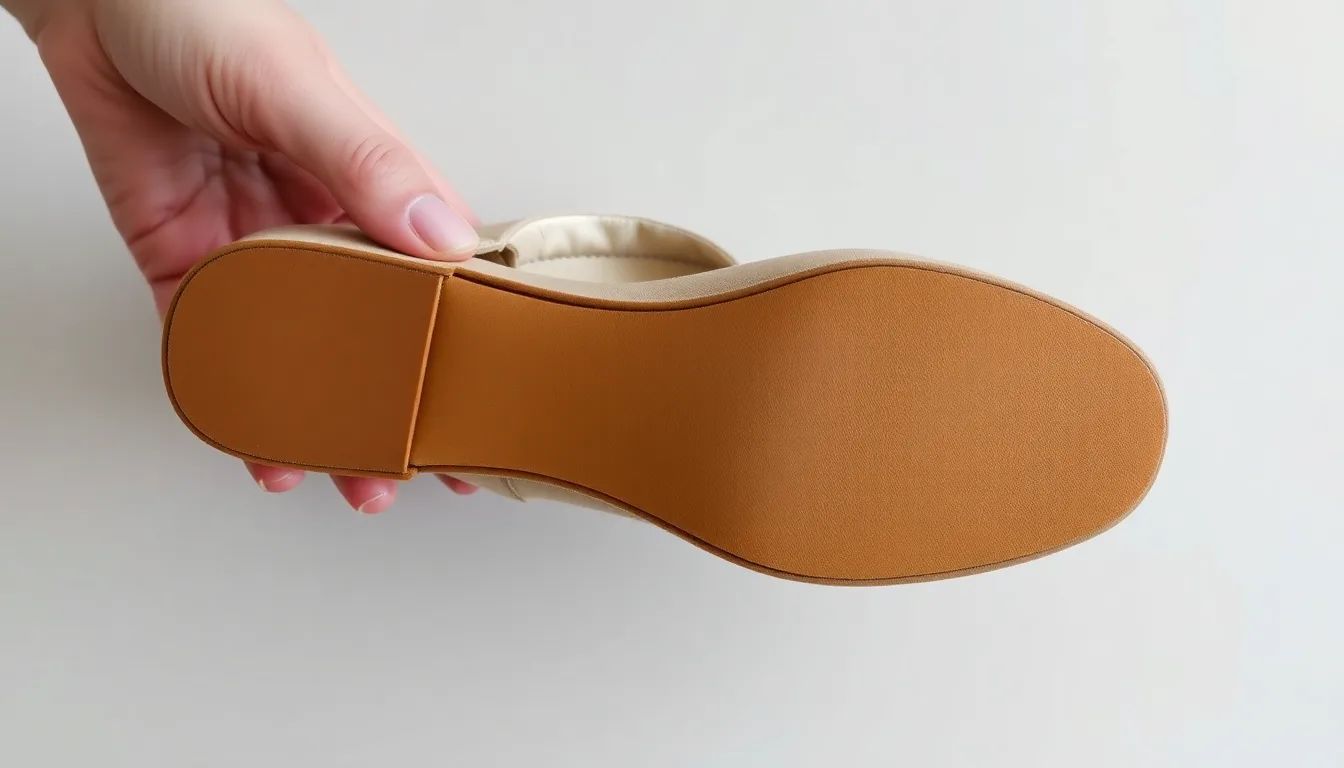
There are three soles you will meet. Suede is the dancer standard: it slides and pivots smoothly while still giving a little grip, which is why most dedicated dance shoes use it. Leather, the kind on many dress shoes, is the easy starting option, faster than suede and fine on most floors. Rubber is the trap. As the Arthur Murray guide warns, sneakers with heavy treads stick to the floor and make turns hard, and that stick is what transfers straight into your knee.
Our take: the difference between suede and rubber is not comfort, it is safety. A sole that grabs while you rotate is the single most common cause of the avoidable knee tweak that ends beginners early. Start on a smooth leather sole, graduate to suede when you commit.
Heels: how high, and who needs them
Heels are about balance and styling, not a requirement. Followers in Latin and ballroom often dance in a 2 to 3 inch heel for the line it creates, but a lower 1 to 2 inch heel is far easier to learn on and kinder over a four-hour night. Leaders mostly want a low heel or flat. Start lower than you think you should, get your balance over the ball of the foot, and raise the heel later. A heel you cannot control is slower and more dangerous than a flat you can.
Do I need real dance shoes to start?
No. For your first few classes, clean indoor shoes with a smooth, low-grip sole are enough, the same advice in our guide to what to wear to your first dance class. Buy proper dance shoes once you know the style is sticking and you know which style it is, because the ideal shoe differs between a Latin heel, a ballroom court shoe, and a swing sneaker. Buying too early often means buying twice.
Matching the shoe to the floor
The same shoe behaves differently on different floors. Smooth, sprung wood is the gold standard and suits suede well. Slick tile or polished concrete can be too slippery, so a touch more grip helps. Sticky or dirty floors fight suede, so leather or a sneaker copes better. West Coast Swing in particular travels and pivots so much that scene preferences run strong, which we covered in what to wear to West Coast Swing. When you visit a new venue, watch what the regulars wear on their feet and follow it.
Looking after a suede sole
Suede soles need light care. Brush them with a wire suede brush when they glaze over and stop sliding, keep a dedicated pair for indoor floors only so street grit never touches them, and never wear them outside. A suede sole worn through a car park is finished. Treated well, a good pair lasts years.
We make shirts, not shoes, so this is honest advice rather than a sales pitch. What we will say is that the same principle runs through both: the best gear on a dance floor is the gear you stop noticing. That is the bar we set for our own apparel, and the bar a good pair of shoes should clear too.
Common questions
What kind of shoes are best for partner dancing?
Shoes with a smooth, low-grip sole you can turn in: suede-soled dance shoes ideally, smooth leather-soled shoes to start. Avoid heavy rubber treads that grab the floor while your body rotates.
Can I wear sneakers to dance?
Only sneakers with a smooth, flat sole. Running shoes and anything with a thick treaded rubber sole stick on turns and can twist a knee. Some swing dancers use dedicated dance sneakers with a smooth pivot point built in.
How high should dance heels be for a beginner?
Start low, around 1 to 2 inches. A lower heel is easier to balance on and far kinder over a long night. Raise the height only once your balance over the ball of the foot is solid.
Do I need dance shoes for my first class?
No. Clean indoor shoes with a smooth, low-grip sole are fine to start. Buy proper dance shoes once you know the style is sticking, since the ideal shoe differs between Latin, ballroom, and swing.
How do I look after suede dance soles?
Brush them with a wire suede brush when they glaze over, keep them for indoor floors only, and never wear them outside. Street grit ruins a suede sole quickly. Cared for, a good pair lasts years.
Written by a Qanvero westie. We have tried the first turn in gym sneakers and felt the floor grab, and we have brushed a suede sole back to life more times than we can count. The brand is by dancers, for dancers.
Shoes are the one thing most dancers get right before anything else. What to wear for partner dancing covers everything they sit under.